
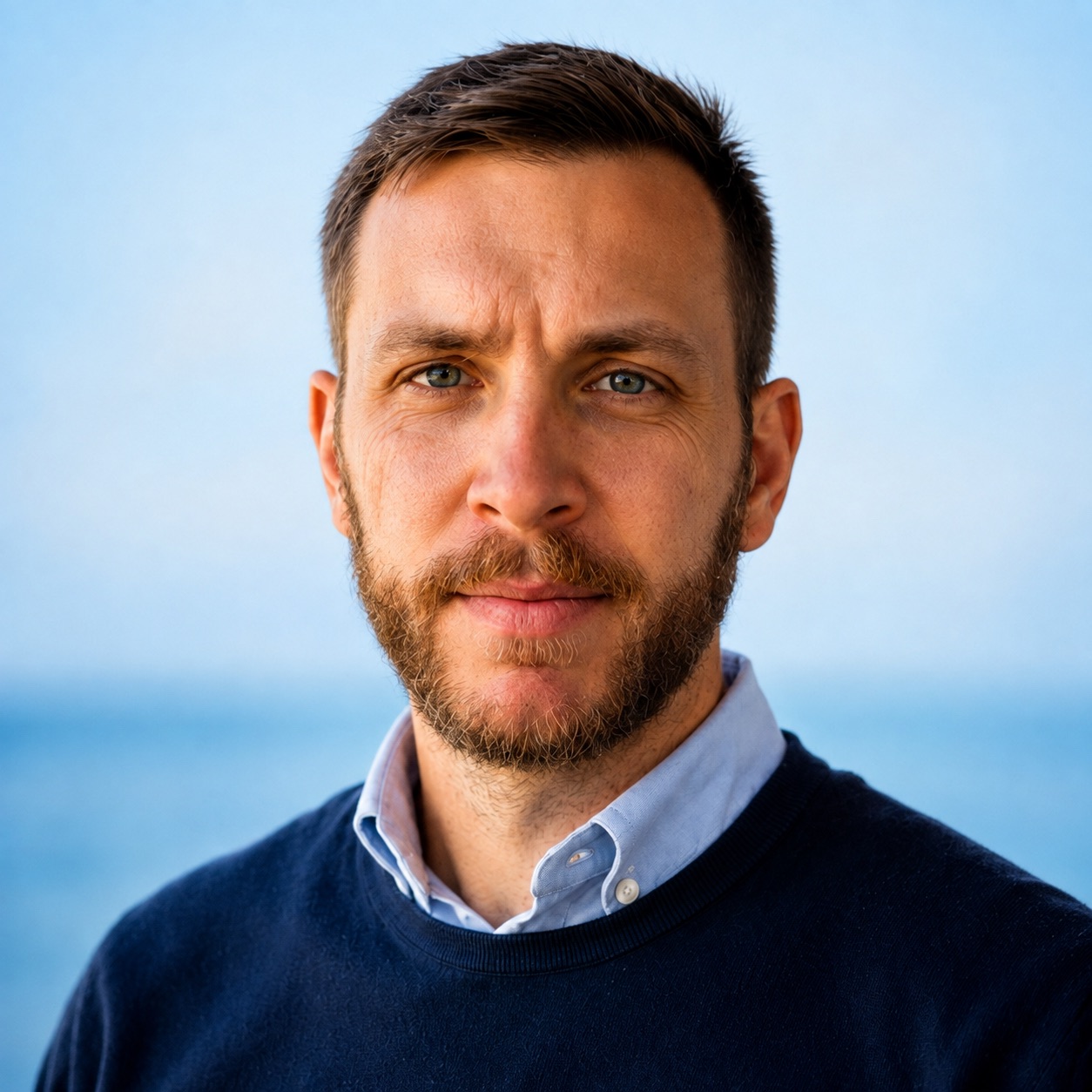
About The Technical Editor
I’m Rob Lansing, a software engineering leader and cloud architect focused on building secure, scalable systems in AWS and solving complex technology problems in high-stakes environments.
My background spans software engineering, cloud architecture, DevSecOps, and technical leadership. I currently lead engineering and architecture for a nationwide application, where I’m responsible for technical direction, system modernization, AWS architecture, engineering practices, and the delivery of mission-critical software.
I’ve spent much of my career working on systems where reliability, security, and maintainability aren't optional. That experience has shaped how I approach technology: architecture should solve real business problems, automation should reduce operational burden, and complexity should have a reason to exist.
What I Work On
My work sits at the intersection of software engineering, cloud infrastructure, and technical leadership.
I’ve designed and implemented solutions involving AWS, Java and Spring, containerized workloads, relational databases, search platforms, CI/CD, infrastructure automation, cloud security, DevSecOps, and AI-enabled applications.
But I'm equally interested in the decisions behind the technology.
How should a system evolve as its users and engineering organization grow? When should a monolith be modernized rather than replaced? Where does automation actually improve delivery? How do you build cloud environments that remain secure and manageable without creating unnecessary operational complexity?
Those are the kinds of problems I enjoy solving.
From Engineering to Technical Leadership
I started my career in the U.S. Army as an Electronic Warfare Specialist before moving into software engineering.
That path gave me an appreciation for both the technical details and the mission those details ultimately support.
As my career progressed, my responsibilities expanded beyond implementing individual features. Today, I spend much of my time making architecture decisions, establishing engineering practices, evaluating new technologies, helping engineers solve difficult problems, reducing delivery risk, and determining how systems should evolve over the long term.
I still believe technical leaders should understand the technology they're responsible for. I enjoy staying close enough to the engineering to understand how systems actually work while maintaining the broader perspective required to make good architectural and organizational decisions.
AWS & Cloud Engineering
AWS has become a major part of my work.
I've worked across application architecture, containers, databases, search, security, identity, monitoring, DevSecOps, CI/CD, infrastructure modernization, and cloud-native services.
I'm particularly interested in a practical question:
How can organizations get the benefits of sophisticated cloud infrastructure without needing a large internal cloud engineering organization to operate it?
Modern AWS environments can automate an enormous amount of what once required dedicated infrastructure teams. Monitoring, backups, security detection, vulnerability management, deployment, infrastructure provisioning, disaster recovery, and cost controls can increasingly be engineered into the platform itself.
Done correctly, cloud infrastructure becomes something that can be operated predictably rather than constantly babysat.
What I'm Exploring
I'm currently exploring the intersection of managed AWS infrastructure, cloud automation, DevSecOps, and AI-assisted software engineering.
I'm especially interested in building repeatable approaches to cloud architecture—turning engineering knowledge into standardized infrastructure, automation, security controls, monitoring, and operational processes that can be reused across organizations.
This site is where I document what I learn along the way.
I'll write about AWS architecture, software engineering, system modernization, DevSecOps, AI, engineering leadership, and the practical lessons that come from building and operating real systems.
Sometimes that means discussing architecture at a high level.
Other times it means opening the hood and showing exactly how something works.
The goal is the same either way: share practical engineering ideas that can be applied to real systems and real organizations.